Full-Service Fence Installation & Replacement: Request a Free Quote Today
Comprehensive fence installation and replacement services provide notable benefits for landowners. These upgrades can boost privacy, security, and aesthetics. Knowing the numerous factors and materials at play is important before committing to a choice. Additionally, evaluating individual needs guarantees a customized solution. For property owners exploring this option, getting a no-cost quote can shed light on pricing. Nevertheless, one must also account for the ongoing upkeep and care needed for a satisfactory installation. What are the next steps?
The Benefits of Fence Installation for Your Property
Installing a fence provides many benefits that can improve any property. A properly built fence delivers vital privacy, establishing a private retreat for relaxation or family events. It additionally functions as a boundary, boosting security by discouraging intruders and keeping children and pets securely enclosed. Additionally, fences can greatly improve a property's aesthetic appeal, adding value and curb appeal through various styles and materials.
Moreover, a fence can mark property boundaries, reducing disagreements with neighboring residents and confirming property ownership. Specific fencing options can also serve functional purposes, such as windbreaks or noise reduction, improving the overall comfort of outdoor areas. Additionally, putting up a fence can help meet local regulations regarding property lines and safety. Overall, the benefits of fence installation go far beyond simple appearance, supporting protection, privacy, and real estate worth in a variety of significant ways that position it as a sound investment for residential owners.
Key Considerations to Assess Before Replacing Your Fence
Changing a fence can be a major decision for property owners, demanding careful consideration of several essential factors. First, the condition of the existing fence must be assessed; determining whether it is truly beyond repair or simply in need of maintenance can impact the decision to replace. Furthermore, homeowners should review local regulations and zoning laws, as these can dictate fence height, style, and placement. Budget constraints are also vital; being aware of the costs involved can assist in choosing suitable materials and styles. Moreover, reflecting on the intended role of the fence—such as privacy, safety, or decorative value—will guide the choice of design and construction options. Finally, homeowners should consider the future maintenance needs of different fencing options to secure sustainability. By weighing these factors, homeowners can make informed decisions that meet their requirements and improve their property.
Comparing Fence Materials: Which Is Right for You?
When selecting the ideal fencing material, what factors should homeowners consider? Durability is paramount; materials such as vinyl and metal often outlast wood, offering lasting value. Aesthetic appeal also plays a significant role, as various materials offer distinct styles to suit the property's architecture. Upkeep demands differ considerably: wooden fences frequently demand regular painting or staining, while vinyl and metal usually demand minimal care.
Expense is another important consideration. While upfront costs for wood might be lower, the long-term costs associated with regular maintenance can add up. Moreover, local climate can affect your selection of materials; for example, specially treated lumber may be required in high-humidity environments to prevent rot.
Ultimately, homeowners ought to review local ordinances and community standards, as these can dictate allowable materials and styles. By evaluating these aspects, homeowners are able to make educated decisions that align with their goals and add value to their properties.
How to Install Your Fence: Step by Step
During the fence installation process, possessing the proper tools is key to a successful outcome. Here, we will identify the essential equipment and present a straightforward, step-by-step guide for the installation. By following these instructions, homeowners can achieve a successful and sturdy fence installation.
Items You'll Need
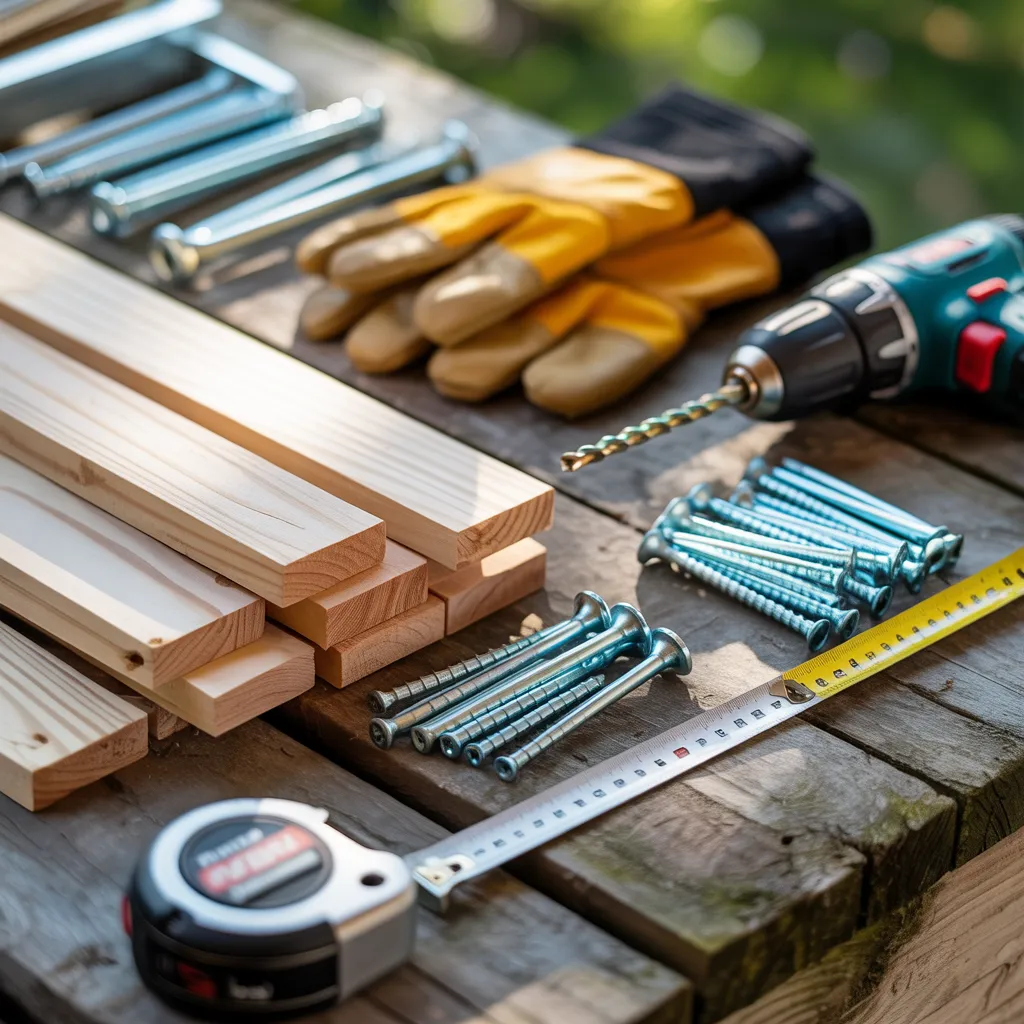
When preparing for a fence installation project, possessing the correct tools is essential for ensuring a seamless process. A post hole digger is essential for creating the necessary spaces for fence posts. A level verifies posts are straight, while a tape measure aids in accurate spacing. A hammer or nail gun is necessary for attaching panels, and a saw, manual or powered, is useful for trimming materials as needed. Additionally, a string line can assist in maintaining a straight alignment throughout the installation. For safety, gloves and safety glasses are recommended. Keeping these tools on hand will expedite the installation, making the project run more smoothly and minimizing potential errors. Thorough preparation is essential to ensuring a properly installed fence.
Installation Process Overview
Initiating a fence installation calls for meticulous planning and careful implementation. To begin, the area needs to be precisely measured and marked, ensuring adherence to local regulations. Subsequently, posts are anchored in concrete, arranged according to the fence type, usually placed 6 to 8 feet apart. When the posts are properly secured, the horizontal rails are installed, delivering structure and reinforcement. Subsequently, the preferred fencing material—such as wood, vinyl, or chain link—is fitted, confirming it is level and accurately aligned. Gates are then hung, allowing for access while maintaining functionality. Finally, the installation site is cleaned, and any necessary adjustments are made, completing the process. This step-by-step approach guarantees a durable and aesthetically pleasing fence.
Receive a Free Quote for Your Fence Installation Project
How can homeowners accurately assess the cost of their fence installation project? Obtaining a free quote is an essential first step. Reputable fencing companies typically offer complimentary estimates, enabling homeowners to grasp the financial scope before dedicating themselves to a project. During this process, homeowners should provide detailed information about their property, including dimensions, preferred materials, and any specific design requests.
Businesses typically evaluate several elements, such as labor, material costs, and site conditions, when generating a quote. Homeowners are advised to obtain several quotes to compare pricing and services. Doing so not only assists in finding the most competitive offer but also reveals information about each contractor's techniques and qualifications. Clear communication regarding project expectations can lead to a more detailed quotation. At its core, a no-cost quote functions as a beneficial instrument, enabling homeowners to make informed decisions about their fencing needs.
Maintenance Tips for Your Residential Fence
Preserving a residential fence is vital for protecting its appearance and longevity. Consistent evaluations need to be done to detect signs of wear, such as corrosion, decay, or unsecured boards. Cleaning the fence at least once a year works to get rid of dirt, mildew, and algae, which can weaken materials as time passes. For wood fences, applying a protective sealant or stain every few years can enhance durability and aesthetics. Householders should also verify that greenery does not invade the fence area, as branches and roots may lead to structural harm. Additionally, looking for any loose fasteners and securing them without delay will avert more extensive damage. In locations vulnerable to extreme weather, extra care may be necessary, such as fortifying posts or adding protective weather coatings. By adhering to these upkeep guidelines, householders can maximize the durability of their fence while sustaining its visual charm.
Common Questions About Fence Installation
When thinking about the installation of a fence, many homeowners have questions regarding multiple facets of the project. Important areas typically include the variety of fencing materials on the market, a breakdown of the installation steps, and considerations that impact the overall price. Addressing these inquiries can provide clarity and help individuals make informed decisions.
Kinds Of Fencing Materials
Identifying the most suitable fencing material is important for achieving both utility and visual appeal in any property. Numerous choices are on the market, each offering remarkable qualities. Wooden fencing, for example, offers a timeless look and can be modified effortlessly, comprehensive article but it demands regular maintenance. Vinyl, on the other hand, is low-maintenance and highly durable against deterioration, establishing it as a top pick for many homeowners. Chain-link fencing is economical and sturdy, though it may fall short on privacy when measured against other materials. Aluminum fencing offers a combination of strength and elegance, frequently chosen for ornamental applications. Finally, composite material merges the strengths of wood and plastic, providing durability without the upkeep. Each material serves distinct needs, empowering property owners to make informed decisions based on their specific requirements.
Installation Process Overview
Understanding the installation process of a fence is crucial for homeowners considering a new feature to their property. The initial step commonly involves evaluating the site to determine the best fence configuration and location. Property owners should review local zoning regulations and secure necessary permits. After this step, the installation starts with marking the layout, digging post holes, and securing the posts using concrete for stability. Once the posts are firmly in place, panels or boards are fitted according to the preferred design. This phase may also include incorporating gates and ensuring proper alignment. To conclude, a detailed inspection is conducted to confirm quality and compliance with standards. Residents are advised to raise concerns throughout this process to resolve any questions.
Cost Estimation Factors
When estimating fence installation costs, homeowners should be aware of several important factors. The material type is a primary consideration, as options such as material—wood, vinyl, wrought iron, or chain link—plays a major role in determining the price. Different materials vary in their cost ranges and maintenance demands. Additionally, the dimensions of the fence, including its length and height, have a direct impact on the total cost; larger areas will require more materials and labor. Site conditions, including terrain and ease of access, can also raise installation costs when unique equipment or approaches are necessary. Regional labor costs and required permits can further add to the overall expense. It is also important for homeowners to factor in any supplementary features, including gates or decorative accents, which may further affect the overall project cost.
Frequently Asked Questions
How Long Does the Fence Installation Process Generally Take?
The process of installing a fence generally requires between one and three days, based on factors including the total area size, the choice of materials, and weather conditions. Thorough planning can significantly streamline the entire project.
Do I Need a Permit for Fence Installation?
Generally, a permit is needed for fence installation, depending on local regulations. It is advisable for homeowners to check with their municipality to guarantee compliance with zoning laws and steer clear of potential fines or complications.
Can I Install a Fence on a Slope?
Certainly, a fence can be constructed on a slope. Different strategies, like stepping or grading, work with uneven terrain. Proper planning guarantees durability and visual appeal, permitting property owners to successfully address their landscaping demands.
What Is the Typical Cost of Fence Replacement?
The standard cost of replacing a fence generally falls from $1,500 to $4,000, influenced by materials, labor, and the size of the property. Fluctuations in local labor rates and unique project requirements can significantly impact the total cost.
How Do Weather Conditions Influence Fence Installation Timelines?
Climate conditions significantly influences fence construction deadlines. Precipitation, freezing weather, or excessive heat can postpone work due to worker safety and material integrity issues. Contractors often adjust plans to secure favorable conditions for completing the project, emphasizing structural integrity and lasting quality.